Santa Fe Window Replacement: Divided-Light Windows, Doors and Glass
Residential and commercial window and door work for Santa Fe, priced against the rules that actually govern your facade.
- New Mexico GS-14 licensed, insured
- Overlay map checked before quoting
- NFRC labels left with the owner
- Written scope, no verbal change orders
Santa Fe Window: Every Service
Full Window Replacement
At seven thousand feet a whole-house window project has a season. The glazing can be done through most of the year; the exterior patching that follows it cannot, and that is what decides when a job should start.
Residential Window Installation
A framed wall sheds water in layers and drains whatever gets through. An adobe wall has no layers and nothing to drain into.
Commercial Window Installation
Downtown storefronts read as a series of small lites rather than open walls of glass, and that is not a stylistic decision the tenants made. The publicly visible pane cap applies to a commercial building exactly the way it applies to a house.
Energy-Efficient Window Installation
Most window pages can tell you which number matters. Santa Fe, at about 7,000 feet in Climate Zone 5B, is the market where neither wins outright.
Vinyl Window Replacement
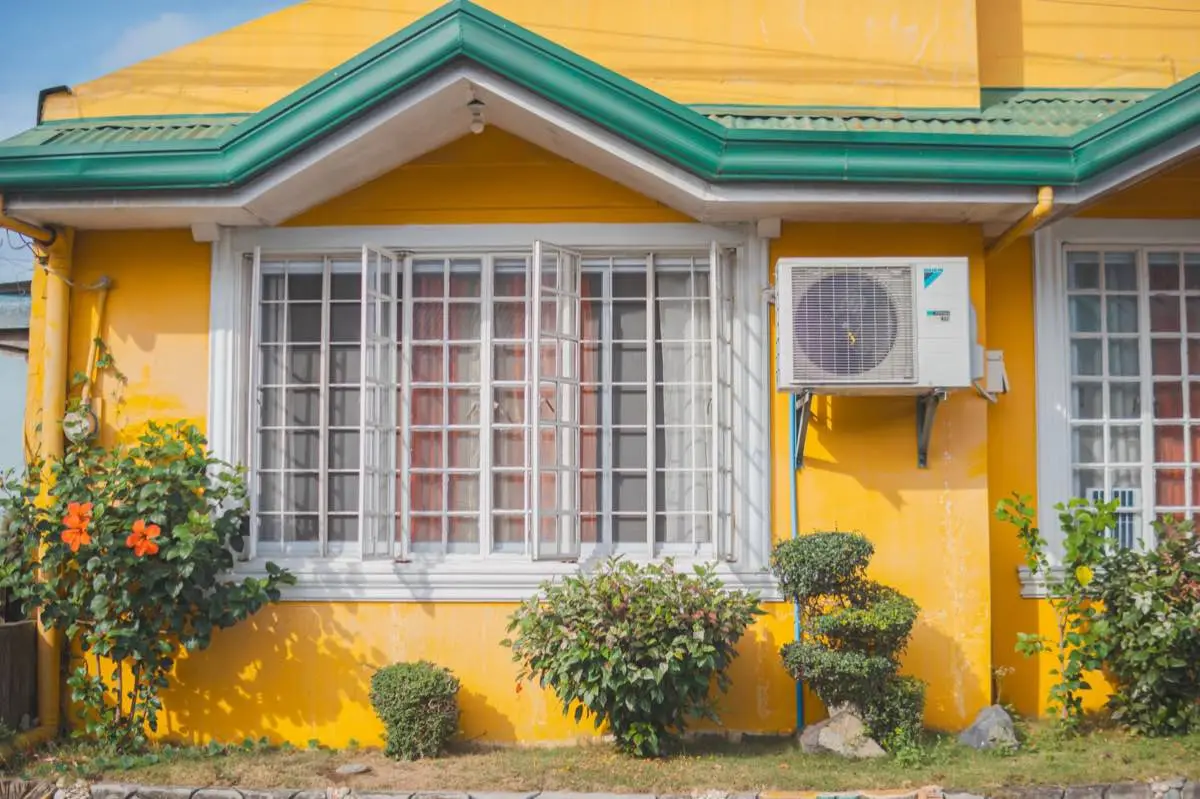
Vinyl gets treated as contraband in this city and it does not deserve that. Nothing in the window standards publishes a banned frame material.
Wood Window Replacement
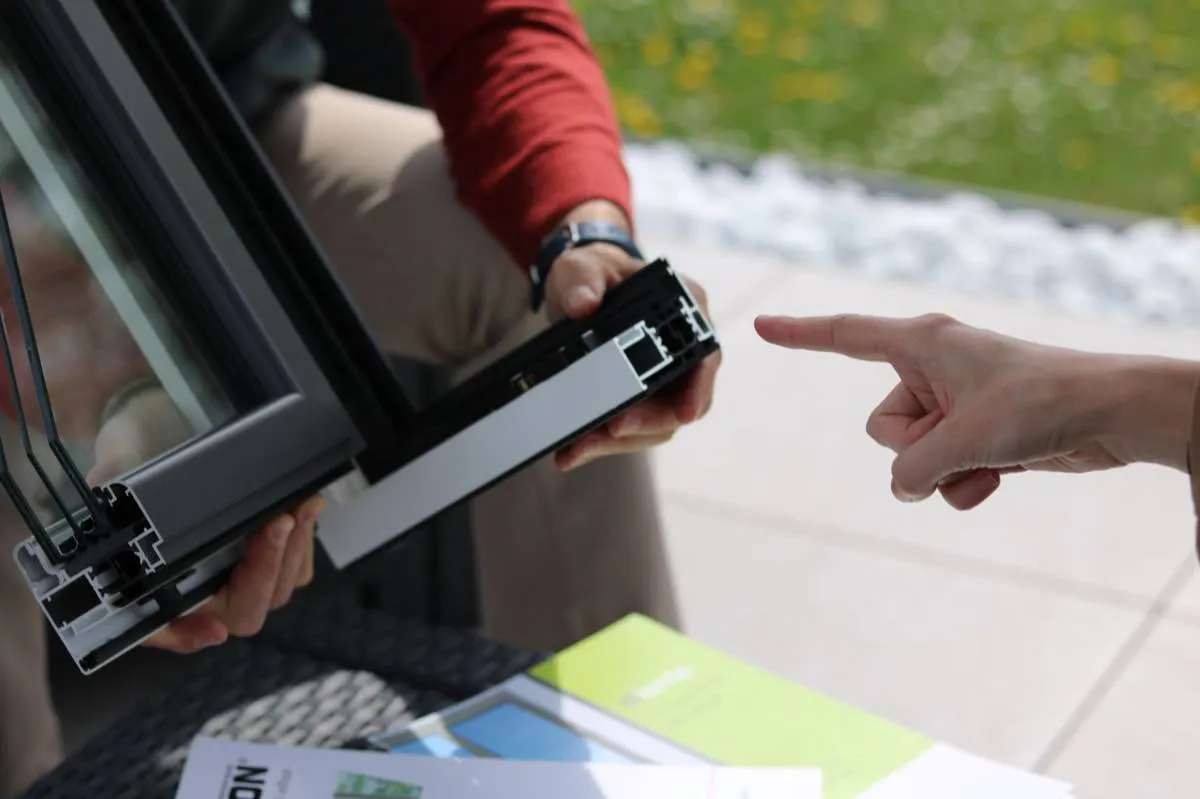
This is the page where the ordinance overrules the engineering. On a primary facade of a contributing structure, a historic window that cannot be repaired has to be duplicated in size, style and material.
Aluminum Window Replacement
In Santa Fe aluminum can be refused on the word material alone. Where the original is wood, an aluminum or aluminum-clad exterior can fail a historic review before anyone looks at a rating.
Bay and Bow Windows
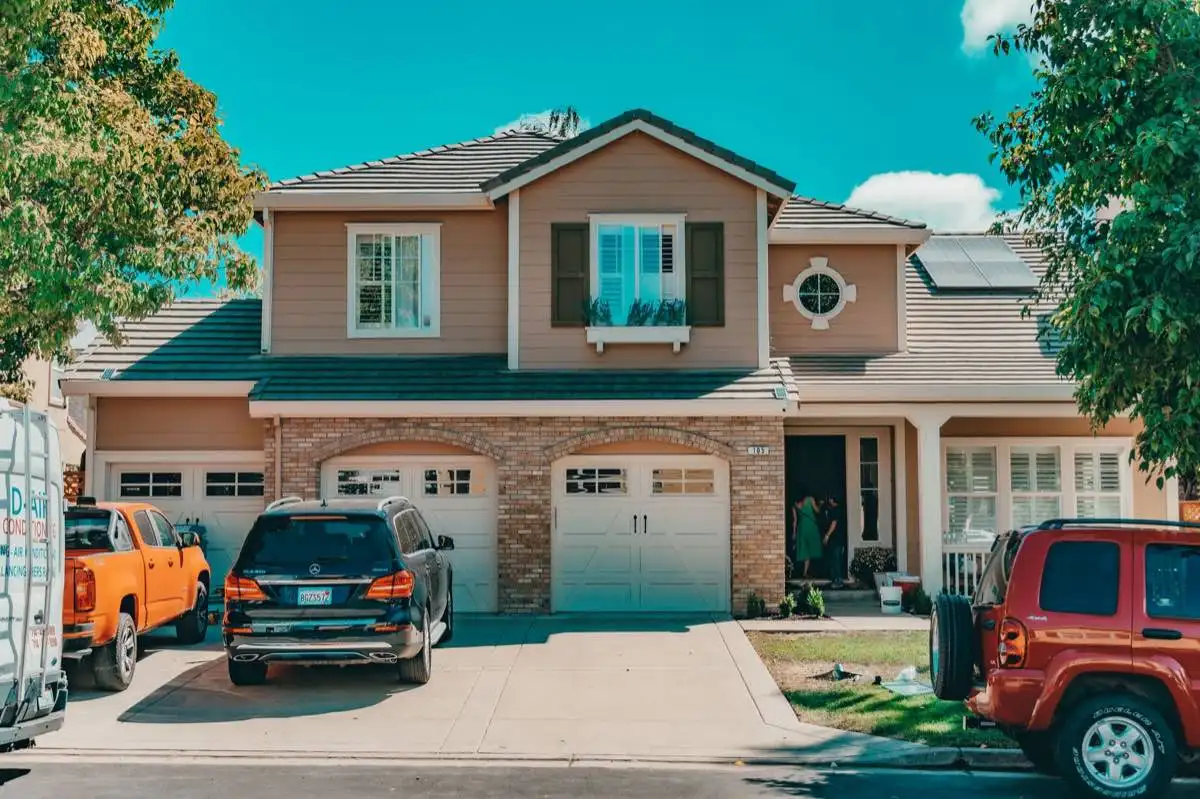
We will build you a bay or a bow, and if your house sits on a protected Santa Fe elevation we will try to talk you out of it first. Here we make the case against something we would happily sell you.
Broken Window Glass Installation
One cracked pane in a sash that opens and shuts is a modest glazing job, and a glass shop will do it cheaper. What sits here is glass made for an opening under construction or being rebuilt, and glass that a review and the building code both have to accept.
Casement Window Replacement
Casements seal by compression rather than by sliding, which makes them the best-performing operable window we can order. In Santa Fe they carry one complication nobody mentions in a showroom: a casement sash is a single sheet of glass, and single sheets have a legal size limit here.
Custom Window Installation
In Santa Fe a custom window is usually a historic-district answer rather than a design choice. Openings set deep into adobe have exposed lintels, plastered returns and sills that were built once, and nothing about them is a catalog size.
Double-Pane Window Replacement
Double pane is the baseline here as everywhere else. What is unusual in Santa Fe is the altitude, the thickness of the walls, and a state rule that makes a permit non-negotiable before any of it matters.
Egress Windows
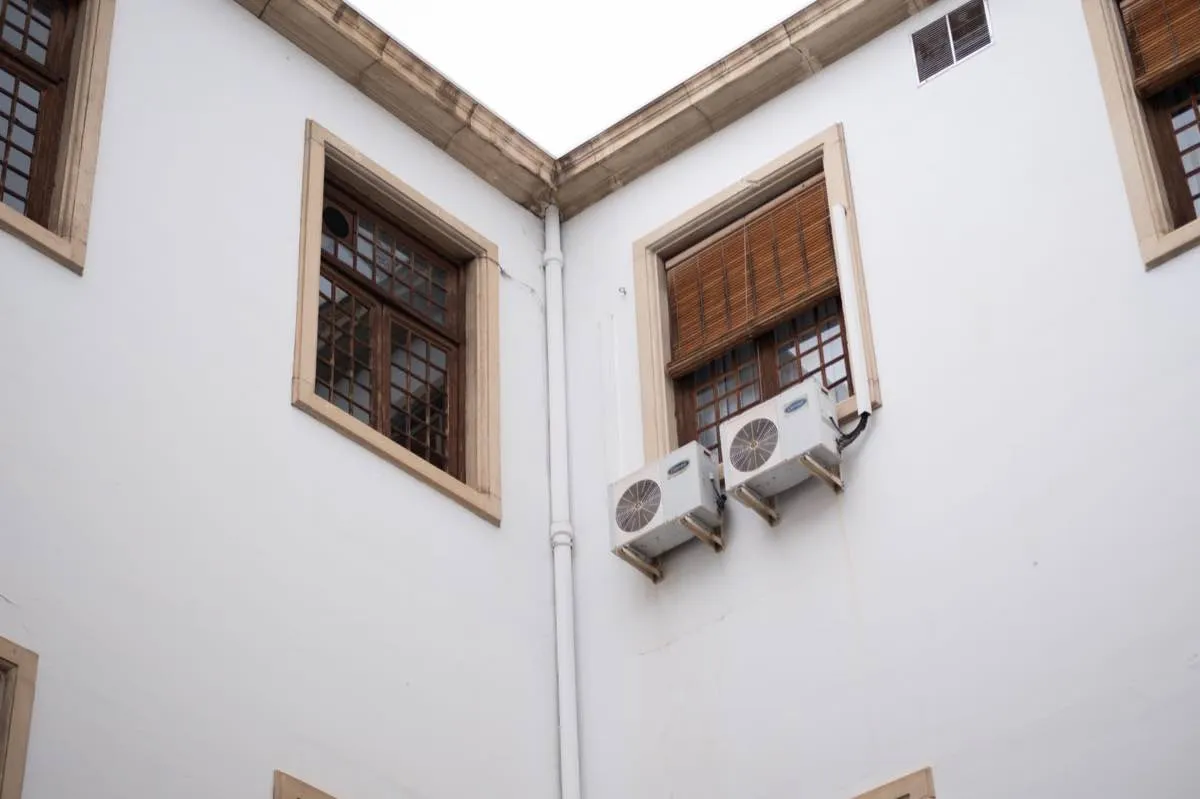
Egress is where two separate rules collide in Santa Fe, and pretending they do not is how owners end up with a half-finished basement and a stop-work notice taped to the door. One rule is about escaping a fire.
Fiberglass Window Replacement
Our vinyl page explains why a welded plastic frame struggles against a thirty-inch pane cap: welded corners need mass, so the sash and meeting rails come out wide and the sightlines eat the opening. Fiberglass is the material that answers that geometry.
French Doors
French doors are the more expensive product and, on a Santa Fe street elevation, usually the only compliant one. That is an unusual thing for a contractor to be able to write honestly, so this page explains the reasoning rather than the romance.
Impact Window Installation
We can order impact-rated windows and we will not recommend them for storm protection here. New Mexico is landlocked and no part of it is mapped as a wind-borne debris region.
Low-E Glass Window Installation
Almost every page written about this subject assumes you want to keep the sun out. At seven thousand feet with a long heating season, that assumption is wrong on half of your house, and getting it wrong on the south wall is expensive.
Multifamily & HOA Window Replacement
Shared-ownership buildings in Santa Fe come with an extra approval nobody else has to think about. The association decides, and then the overlay decides, and the second one has opinions about the first one's choices.
Office & Commercial Glazing
Office space here is frequently inside a building that was never an office. Thick walls, deep reveals, exposed lintels, a floor plan built around a courtyard rather than around a corridor.
Retrofit Windows
In Santa Fe the install method is sometimes not yours to choose. On a protected facade the standards say a historic opening is not to be widened or narrowed, and keeping the opening exactly as it is describes a retrofit rather than a full frame.
Sliding Window Door Replacement
Sliders are the cheap default almost everywhere in the country. Inside Santa Fe's historic overlay they are the hardest common window to make legal, because the fixed half of a slider is one enormous uninterrupted sheet of glass pointed at the street.
Soundproof Window Installation
An adobe wall is the quietest building element most people will ever own. Which is exactly why, in a house built of it, the window is unambiguously the weak point in the room.
Storefront Window Installation
Glass is sold by the square foot and installed by the pound. On a storefront the second number decides how the job gets done and most of what it costs.
Triple-Pane Window Installation
Santa Fe is the one market where we argue for the third pane on a technical ground rather than a climate one. At about 7,000 feet a sealed unit here often cannot hold a gas fill at all, and that changes the whole calculation.
Santa Fe Window Replacement fits wood, pultruded fiberglass, thermally broken aluminum and vinyl units across Santa Fe, from adobe walls eight inches thick downtown to stick-framed subdivisions out on the Turquoise Trail side of the county. We quote glass, frames, hardware and the opening itself as one number. Openings get measured, ordered and installed by the same people, which is why the numbers on the estimate are the numbers that show up.
The thing that decides your window here is not the brochure. Inside the historic overlay, city code caps a single pane of glass at 30 inches in any direction on a publicly visible face, bans snap-in grille inserts, and demands true or simulated divided lights. That converts one big lite into a grid, and it changes which manufacturers can even bid.
Outside the overlay lines the argument turns back into physics: New Mexico writes a 0.30 fenestration U-factor into Climate Zone 5B and sets no solar heat gain limit at all. We say which of those two worlds your address sits in before quoting, because the answer changes the product, not just the price. Knowing which of those two worlds your address sits in is the first thing we establish.
What Santa Fe Customers Say
Two other bidders quoted a big fixed picture unit for the west wall. These folks measured the diagonal, showed me the pane rule in writing, and drew a three-lite layout instead. It looks like it belongs on the house and it passed staff review without a single revision request.
Our 1904 place has original double-hung sash on the street side. I expected a hard sell for replacements. Instead they repaired six, re-glazed four with laminated, and only replaced the two that were rotted through the bottom rail. The bill was under half of what I had budgeted.
Straightforward, technical, no theatre. They wrote the U-factor and the air leakage rating for every unit on the estimate so I could line the bids up on numbers. Install crew shimmed each opening square and showed me the reveal with a level before the trim went back on.
I asked about impact windows after a hailstorm and they told me flat out that the code here does not ask for them and I would be buying a coastal product. Suggested laminated on the two noisy road-facing rooms only. That kind of honesty is why I sent them to my sister.
Why Santa Fe Chooses Santa Fe Window Replacement
- ✓We check your address against the historic overlay before quoting, because that single line decides the product, the approval lane and about a third of the price.
- ✓Pane layouts are drawn to the 30-inch dimensional cap, diagonal measurement included, so nothing gets ordered that cannot legally face the street.
- ✓We only quote simulated divided lights with a bonded exterior bar and an internal spacer, never the snap-in grille inserts the standards prohibit.
- ✓Where a sound wood sash can be stripped, re-puttied and re-glazed, we quote that against replacement and tell you plainly which one we would buy.
- ✓Solar heat gain is treated as a design decision here, not a compliance item, because Climate Zone 5B sets no SHGC limit in the residential tables.
- ✓We refuse jobs that need an opening enlarged, because the GS-14 scope excludes structural alterations to enlarge any opening and we will not pretend otherwise.
About Santa Fe Window Replacement in Santa Fe, NM
We are a window and door contractor working Santa Fe and the smaller places around it, licensed in New Mexico under the GS-14 classification. The work is glass, sash, frames, doors and the openings they sit in. We do not reroof, we do not stucco, and we say so early, because a lot of Santa Fe window problems are actually parapet and canale problems arriving at the window head.
What we spend most of our time on is translation. A homeowner reads a brochure promising a wide, uninterrupted view; the city's design standards cap a publicly visible pane at 30 inches and require true or simulated divided lights. Somebody has to reconcile those two documents before money moves, and doing it at the quote stage costs nothing while doing it after the order costs a rebuild.
When not to hire us: if your house sits well outside the overlay, your windows are under fifteen years old, and the only symptom is a bit of winter condensation on the glass surface, hire nobody. That is usually indoor humidity, not a failed unit, and a hygrometer and a bath fan timer will settle it for under fifty dollars. We would rather tell you that than sell you eleven windows.
How It Works
- 1
We Find Your Address on the Overlay Map
Before anything else we check whether the property falls inside a historic district and, if it does, which facades read as publicly visible. That single answer decides whether your job is a staff-level approval, a board hearing, or nothing at all. Plenty of Santa Fe addresses are outside the lines entirely.
- 2
Measure the Openings, Then the Panes
Every opening is measured for a replacement unit and again for a compliant pane layout. A 34-inch-wide sash needs to become two lites or more where the 30-inch rule applies. We draw that grid before quoting so nobody discovers it after the deposit is cashed.
- 3
A Written Scope With the Rule Cited
You get a line-item scope naming the frame material, the divided-light method, glazing package, NFRC numbers and who pulls the permit. Where a rule drives a choice, the rule is written next to the choice. Where we think you should spend less, that is written down too.
- 4
Order, Install, Then Prove the Numbers
Units come with the ratings label still attached so the inspector and you can read them. Openings are shimmed square before the sash goes in, sealed with backer rod and low-expansion foam, and the trim detail matched to what was there. We leave the labels with you, not in the truck.
Commercial Glass and Storefronts Across Santa Fe
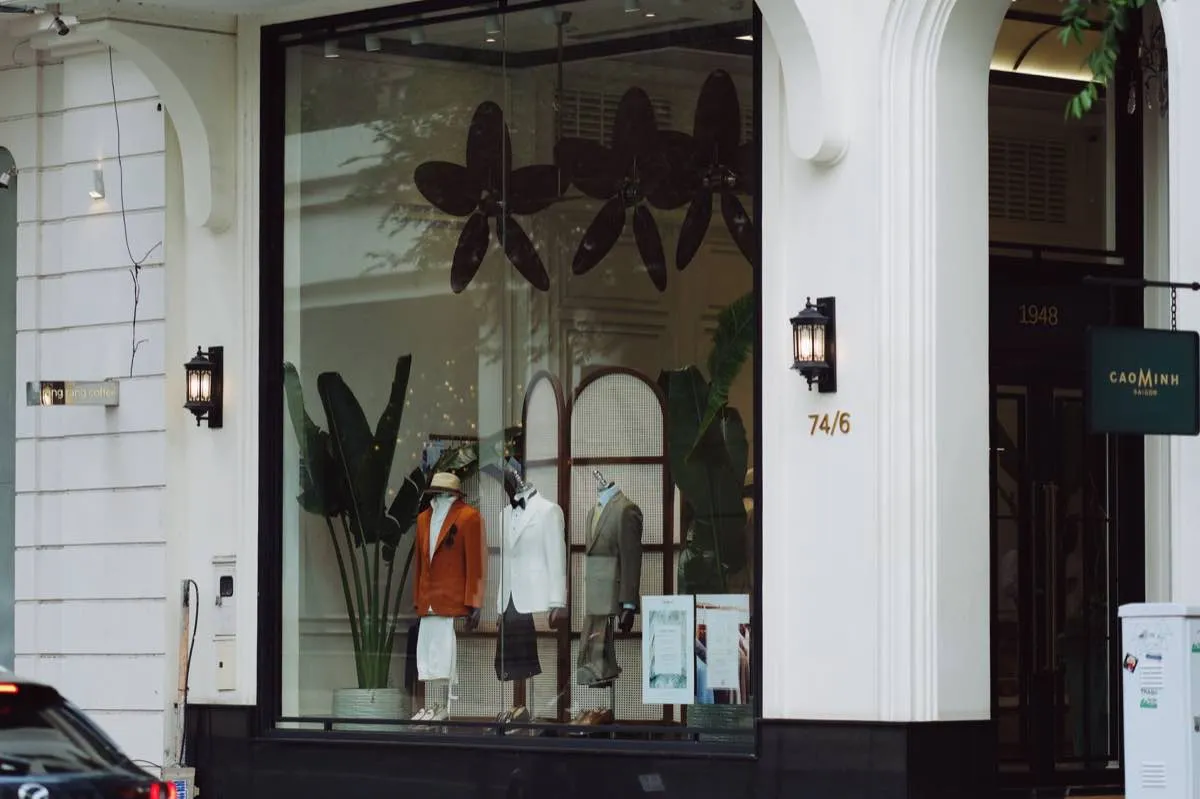
Commercial glazing downtown runs into the same pane rule that houses do, which is why the shopfronts around the Plaza read as a series of small lites rather than the open glass walls you see in most cities.
We handle storefront framing, entrances, tempered and laminated replacements, and sealed-unit swaps for offices, galleries, restaurants and lodging properties in Santa Fe and the county. Commercial envelopes answer to the New Mexico commercial energy code rather than the residential tables, so U-factor, air leakage and framing type get specified from the commercial requirements and quoted with the certified numbers attached.
Mirrored glass is prohibited as an exterior material inside the districts, which rules out the reflective curtain wall answer entirely.
- ✓Storefront systems detailed to keep every publicly visible lite inside the 30-inch dimensional cap, diagonal included
- ✓Tempered and laminated replacement glass cut, ordered and set for entrances, sidelites and low-level glazing
- ✓Sealed insulating unit swaps in existing commercial framing without disturbing the storefront or the finished opening
- ✓Aluminum entrance doors rebuilt with new pivots, closers, thresholds and weatherstrip instead of full replacement
- ✓Reflective and mirrored glazing avoided entirely, because it is a prohibited exterior material inside the districts
- ✓Commercial energy code U-factor and air leakage figures specified from the tables and shown on the bid
- ✓Gallery and restaurant work scheduled around opening hours, with openings dried in the same day they are opened
- ✓Landlord and tenant scopes split cleanly so the party who owns the glass is the party who is billed
Where the Crews Go
Santa Fe Window Replacement serves Santa Fe, NM and surrounding communities including:
Recent Projects Across north-central New Mexico
Full gallery →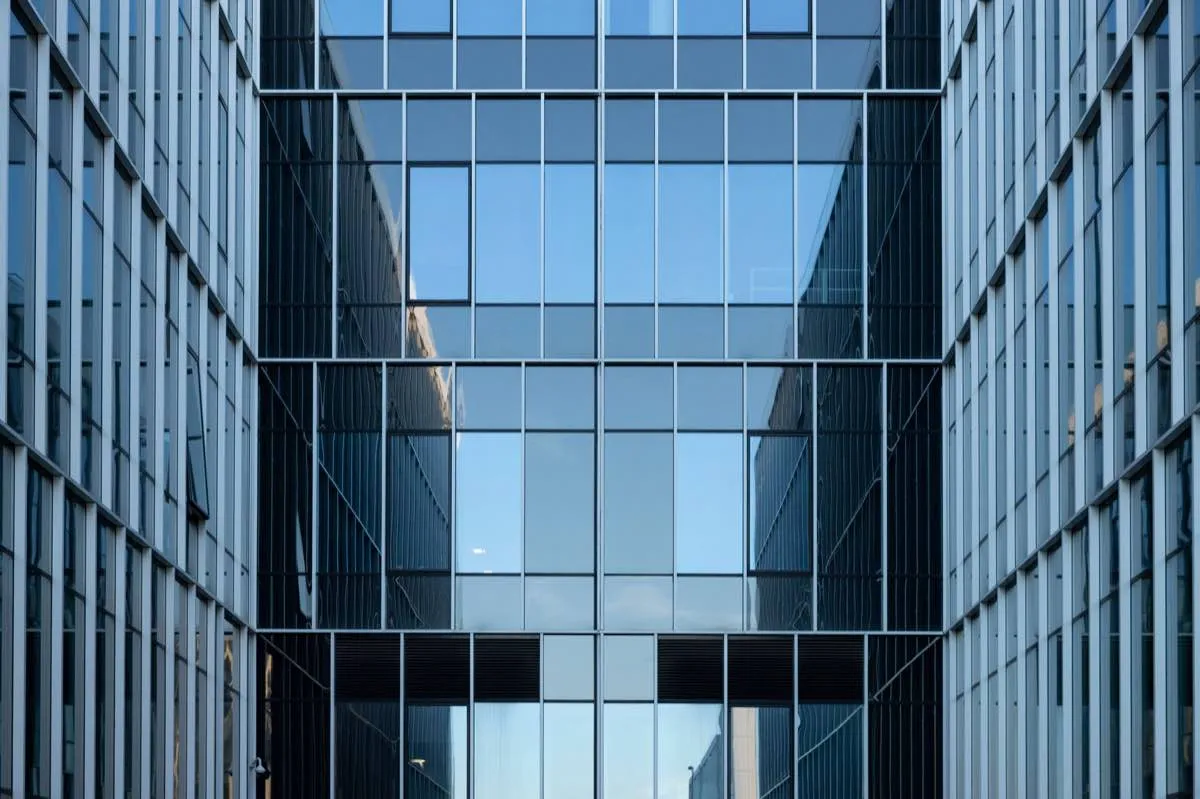
Frequently Asked Questions
Is there really a 30-inch limit on window glass in Santa Fe?
On publicly visible windows and doors inside the Downtown and Eastside historic district, yes. The city's design standards state that no single pane of glass shall exceed 30 inches in any dimension, counting vertical, horizontal and diagonal. Diagonal is the one that catches people, because a 24-by-30 lite already measures 38 on the diagonal. The rule does not apply under a portal, and it does not apply outside the district lines at all.
Can I put vinyl windows on a house in a historic district?
Sometimes, and the reason is not the one people expect. The ordinance does not publish a list of banned frame materials for windows.
What stops vinyl is usually geometry and provenance: the welded corners give wide sightlines inside a small-pane grid, most vinyl lines have no genuine simulated divided light, and where an original historic window survives on a protected facade the replacement must match its material. On a rear elevation or a 1990s house, vinyl is often the sensible buy.
What are simulated divided lights and why do I need them?
A simulated divided light is a muntin bar bonded permanently to both the outside and the inside of the glass, usually with a matching spacer bar inside the sealed airspace so the shadow line reads through. It is not the plastic grille that snaps into the frame, and it is not a grille floating between the panes. Santa Fe's standards prohibit grids that sit on only one side, so publicly visible openings need true or simulated divided lights.
Do I need hurricane or impact windows in Santa Fe?
No. New Mexico is roughly 700 miles from the nearest coastline and no part of it is mapped as a wind-borne debris region, so nothing in the adopted code asks for impact-rated glazing on a house here. If somebody quotes you impact windows for storm protection at 7,199 feet, they are selling a coastal product inland.
Laminated glass is still worth buying in Santa Fe for sound, for ultraviolet control and for forced-entry delay. Buy it for those reasons and pay the correct price.
Can you make my bedroom window bigger for egress?
Not under this license, and often not under the ordinance either. New Mexico's GS-14 classification covers windows, doors and skylights but its scope explicitly excludes structural alterations to enlarge any opening, so a header change belongs to a framing classification. On top of that, the historic standards bar widening or narrowing a historic opening on a protected facade. In a historic bedroom that fails egress, the usual honest answer is a different escape route, not a bigger hole.
Should I repair my old wood sash instead of replacing it?
Very often, yes, and we will say so. The city's general standards ask that historic windows on protected facades be repaired or restored whenever that is possible, and a sash that is sound in the rails and stiles can be stripped, re-puttied, re-roped and re-glazed with laminated glass for a fraction of a replacement unit. It also keeps the job in a much simpler approval lane, because the opening and the sash profile never change.